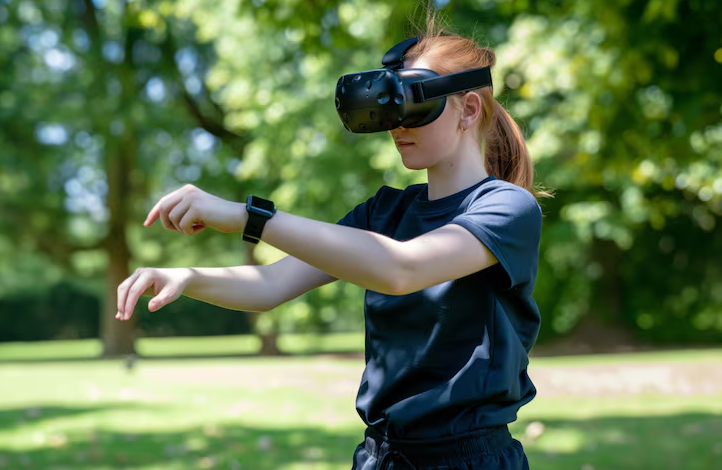
The sports industry has undergone a significant transformation in recent years, driven by technological advancements, data analytics, and a growing emphasis on skill development. Athletes, coaches, and enthusiasts now have access to tools that enhance performance, provide real-time feedback, and make training more efficient. Among these innovations, simulation technology has emerged as a game-changer, offering realistic practice environments that replicate actual sports scenarios. One notable example of this trend is the golf simulator, which has redefined the way golf is practiced, taught, and enjoyed.
The Emergence of Technology in Sports
Modern sports training increasingly relies on technology to maximize results. Wearable devices, motion sensors, and analytics software track performance metrics such as speed, accuracy, and endurance. Video analysis allows coaches to break down complex techniques, while virtual and augmented reality provide immersive training experiences.
This technological integration benefits both professional athletes and recreational players. For professionals, it enables precise performance monitoring and targeted improvement strategies. Recreational players, on the other hand, gain access to high-quality training tools that were previously only available at elite facilities, bridging the gap between casual play and professional-level practice.
Understanding the Role of Simulators
Simulators provide controlled, interactive environments where athletes can practice skills without the constraints of traditional settings. They offer consistency, immediate feedback, and the ability to replicate various scenarios, making them valuable tools for skill enhancement.
For golf enthusiasts, a golf simulator allows players to practice swings, putts, and drives indoors, regardless of weather or time constraints. High-speed cameras, sensors, and sophisticated software measure ball speed, trajectory, and swing mechanics. This data-driven approach helps players identify areas for improvement and track progress over time, accelerating skill development and boosting confidence.
Advantages of Using a Golf Simulator
One of the most compelling benefits of a golf simulator is convenience. Traditional golf practice requires access to courses or driving ranges, which can be limited by location, weather, or scheduling conflicts. A golf simulator provides golf simulator a consistent practice environment that can be used at any time, making it ideal for busy professionals and urban players.
Additionally, golf simulators offer a comprehensive analysis of performance. Players can review detailed metrics such as swing speed, club path, and launch angle, allowing for targeted adjustments. This feedback loop is particularly valuable for beginners learning the fundamentals and for advanced players fine-tuning specific aspects of their game.
Simulators also enhance engagement and enjoyment. Virtual courses from around the world, realistic environmental conditions, and interactive challenges make practice sessions more dynamic and fun. Group play, friendly competitions, and simulated tournaments further enrich the experience, making golf accessible and entertaining for all skill levels.
Impact on Professional Training
In professional golf, precision, consistency, and strategy are critical. A golf simulator enables athletes to replicate tournament conditions, practice challenging shots, and experiment with different strategies in a risk-free environment. Coaches can analyze data, identify performance trends, and develop personalized training plans based on empirical evidence.
This integration of technology and sports science enhances overall performance and reduces the risk of injury. By monitoring swing mechanics and physical strain, athletes can adjust their technique, improve efficiency, and maintain optimal physical condition. Golf simulators thus serve as both a training tool and a protective measure for long-term athletic development.
Benefits for Recreational Players
While professional athletes benefit from simulators, recreational players gain equally significant advantages. Golf enthusiasts who may not have access to courses due to geographic or financial constraints can still enjoy realistic practice and gameplay. This accessibility democratizes the sport, allowing more people to experience the technical and social aspects of golf.
A golf simulator creates a social environment where friends, colleagues, and family members can compete or collaborate. Virtual tournaments, skill challenges, and multiplayer settings encourage interaction and make practicing more enjoyable. This combination of skill development and entertainment has contributed to the growing popularity of simulators in recreational sports facilities and private homes.
See also: Trusted Janitorial Services for Consistent, Quality Cleaning
Technological Advancements Driving the Industry
The technology behind simulators continues to evolve, improving realism, accuracy, and user experience. High-definition graphics, motion-tracking sensors, and AI-driven analysis provide immersive and precise training environments. Some systems even integrate biometric data, allowing users to track heart rate, fatigue, and overall physical performance while practicing.
Connectivity features further enhance the appeal of simulators. Players can compete in virtual leagues, compare scores globally, and access coaching advice remotely. This creates a networked sports experience that transcends physical boundaries and encourages community engagement among enthusiasts.
Future Trends in Sports Simulation
The future of sports simulation looks promising, with continued innovation expected in software, hardware, and data analytics. Simulators are becoming more compact, affordable, and adaptable, making them suitable for home use, gyms, and recreational centers.
Artificial intelligence will likely play an increasing role, offering real-time coaching, predictive analytics, and adaptive training programs. Virtual and augmented reality will provide even more immersive experiences, replicating real-world challenges and enhancing the psychological and strategic aspects of sports. For golf, these advancements mean that practice will become increasingly precise, interactive, and personalized.
Conclusion
Technology has transformed the sports industry, providing athletes and enthusiasts with tools to improve performance, accessibility, and engagement. Simulators, particularly golf simulators, exemplify this transformation by offering realistic practice environments, data-driven feedback, and immersive experiences.
A golf simulator allows players to develop skills, enjoy social interactions, and experience the sport in ways that were previously limited by time, location, or resources. Its combination of convenience, precision, and entertainment demonstrates how technology is reshaping both professional training and recreational sports.
As innovation continues to advance, sports simulators will play an increasingly vital role in skill development, performance optimization, and the overall enjoyment of sports. By integrating technology with traditional training methods, the sports industry is entering a new era where skill, accessibility, and engagement go hand in hand, providing unprecedented opportunities for players of all levels.