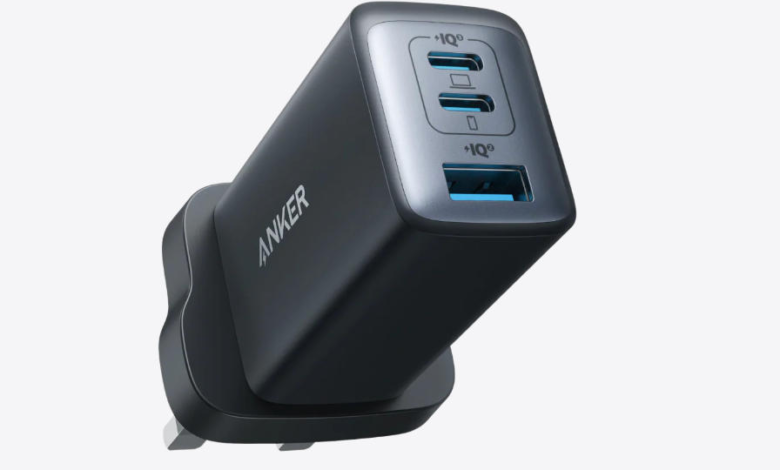
Charging faster at home makes your daily routine easier, especially when you depend on your devices for work, entertainment, and communication. Even small changes can noticeably boost charging performance. Your home environment, your outlets, your cables, and your charger all influence how quickly your devices power up. Many people assume slow charging comes only from the device itself, but in reality, your overall setup determines how efficiently energy moves from the outlet to your battery. When you understand the factors that affect charging speed, you can make simple adjustments that deliver clear results. A reliable charger, such as the Anker 735 Charger (Nano II 65W), also plays a helpful role by offering efficient and consistent power delivery.
Everyday Changes That Increase Charging Speed
Use a High-Quality Charger That Supports Modern Devices
One of the easiest ways to increase charging speed is to use a charger that delivers strong, consistent power. Many homes still rely on older chargers that were made for early smartphones or small accessories. These chargers may not support the higher power levels that modern phones, tablets, and notebooks can accept. When you switch to a high-quality charger designed for multiple devices, you allow your phone or laptop to draw the power it actually needs. A strong multi-device charger like the Anker 735 Charger (Nano II 65W) fits this purpose because it supports phones, tablets, and USB-C notebooks from one compact design. It adapts to each device and distributes energy efficiently so that charging happens as quickly as the device allows.
Avoid Using Multiple High-Power Devices on the Same Outlet
Charging speed can slow down when several power-hungry devices share one outlet or one power strip. The circuit must divide the load, and the charger may not receive steady power. Give your charger its own outlet whenever possible. This helps it maintain a stable flow of energy without interruptions. Even moving the charger to a less crowded part of the house can make charging faster and more consistent. This simple shift helps you get the most from your setup without buying additional accessories. People often notice improvements immediately, especially when charging larger devices like laptops.
Choose Cables That Support Fast Charging
Cables matter. A cable with poor materials or limited power capacity slows the charging process even if your charger is strong. A high-quality cable keeps the current stable from the outlet to the device. It reduces the risk of power drop, prevents unnecessary heat, and helps the charger deliver energy more efficiently. When you pair a dependable cable with a modern charger, the entire charging path becomes more stable. This is the same habit many people practice when looking for options similar to an iphone 16 charger—they choose cables designed for higher power delivery and reliable performance at home.
See also: Tech Made Simple: The Easiest Software for Seniors to Use with Confidence
Optimizing Your Home Setup for Faster Charging
Reduce Background Activity on the Device While Charging
Your device charges faster when it performs fewer tasks in the background. Apps running actively, high brightness levels, constant notifications, and wireless features all consume power. When a device uses power at the same time it receives it, charging slows down. You can improve speed by reducing screen activity, closing unused apps, or switching your device to a low-power mode while charging. This allows your battery to receive more of the energy coming from the charger. The effect is especially noticeable on tablets and laptops, which manage more processes. With a fast and efficient charger like the Anker 735 Charger (Nano II 65W), these habits help you take full advantage of its output.
Maintain Good Airflow Around Your Charger and Device
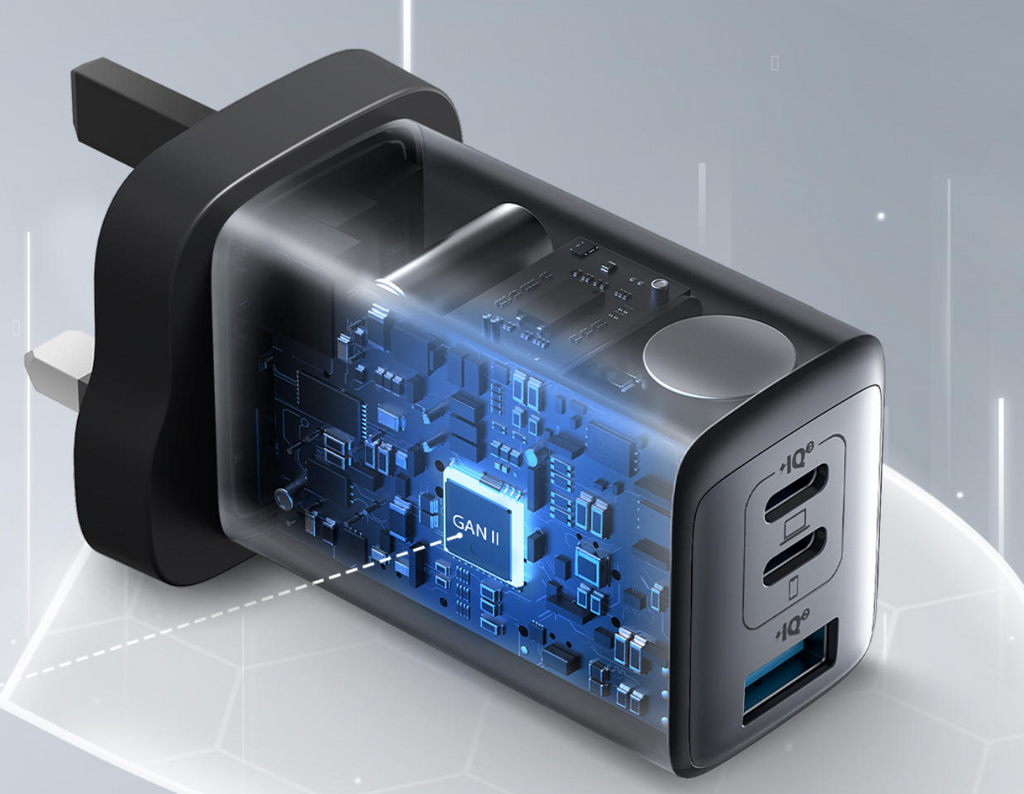
Heat slows charging. When your charger or device becomes warm, internal systems reduce power intake to protect the battery. Keeping your charging area well ventilated helps the device stay cooler and accept energy faster. Avoid placing your charger on soft bedding or under stacks of items. Make sure the charging cable is not bent in tight angles that might generate additional heat. Choose open surfaces like desks or bedside tables where heat can move freely. Chargers built with efficient designs, such as those using GaN II technology, perform best in environments with good airflow.
Use Multi-Port Chargers Wisely for Balanced Performance
Charging multiple devices at once can still be fast if the charger distributes power intelligently. Multi-port chargers assign energy according to each device’s needs, but the total output must be used efficiently. Place higher-power devices on ports that deliver stronger output, and use secondary ports for smaller accessories. With a charger like the Anker 735 Charger (Nano II 65W), which can power your notebook, tablet, and phone at the same time, thoughtful port usage helps maintain speed across all connected devices. This reduces the need for multiple adapters and creates a cleaner, faster charging experience at home.
Conclusion
Speeding up charging at home starts with simple, practical steps. Using a high-quality charger, reducing outlet crowding, choosing strong cables, and improving airflow all help create a more efficient charging environment. Managing device activity during charging also improves performance. Modern chargers designed for multi-device use—such as the Anker 735 Charger (Nano II 65W)—fit naturally into these habits by delivering stable, adaptable power for phones, tablets, and notebooks. When you combine the right tools with smarter habits, you make charging at home faster, smoother, and more convenient. This approach helps you stay ready for work, communication, and entertainment without unnecessary waiting.