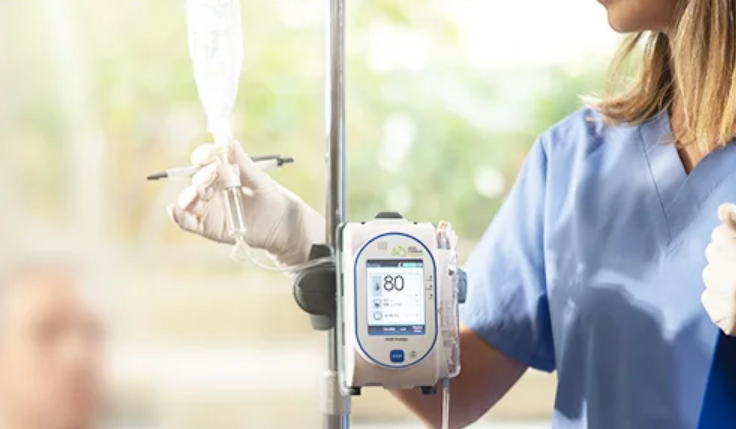
Intravenous therapy plays a vital role in modern healthcare, offering a reliable and efficient method to deliver fluids, medications, and nutrients directly into a patient’s bloodstream. Among the various tools used in this field, Y-infusion sets have become essential for managing complex treatment regimens. These systems allow multiple therapies to be administered simultaneously or sequentially, improving both clinical efficiency and patient comfort. Central to their use is understanding how to y-site iv medications safely and effectively.
This article explores the Y-infusion set industry, highlighting its applications, components, benefits, and best practices for administering medications through y-site techniques.
Understanding Y-Infusion Sets
A Y-infusion set is a specialized IV system that features two separate input lines converging into a single output line before entering the patient. This configuration enables healthcare providers to deliver multiple medications or fluids without establishing additional venous access.
The Y-shaped design is particularly useful in clinical settings where patients require complex multi-drug therapies, such as intensive care, oncology, or pediatric wards. Proper tubing, which is both flexible and durable, ensures smooth and consistent fluid delivery. Transparent iv tubing allows clinicians to visually monitor flow and detect any air bubbles, which is crucial for safe administration.
What Is Y-Site IV Administration?
Y-site IV administration refers to the practice of delivering a medication through the secondary port of a Y-infusion set while the primary infusion continues. This approach allows multiple therapies to be given concurrently without interrupting the ongoing primary infusion.
Knowing how to y-site iv medications is essential for ensuring patient safety and therapeutic effectiveness. When performed correctly, this method reduces the need for multiple venipunctures, minimizes patient discomfort, and ensures precise dosing of medications.
Components of a Y-Infusion Set
IV Tubing
The iv tubing in a Y-infusion set is designed to handle various fluid viscosities and prevent kinking or leakage. The secondary tubing, which connects to the Y-site, must support accurate administration of additional medications while maintaining the flow of the primary infusion.
Y-Connector
The Y-connector is the heart of the infusion set. It merges the primary and secondary lines into a single output line. This connector is designed to prevent contamination, ensure smooth flow, and allow safe concurrent or sequential medication administration.
Drip Chambers
Drip chambers allow clinicians to observe fluid flow, regulate infusion rates, and remove air bubbles. Each line, including the secondary how to y-site iv medications may have its own drip chamber to ensure precise monitoring before fluids merge.
Flow Control Valves
Flow control valves or clamps are used to regulate the rate of fluid administration through both primary and secondary lines. They help maintain accurate dosing and prevent fluid overload or backflow, which is critical when performing y-site administration.
Applications of Y-Infusion Sets
Simultaneous Medication Delivery
One of the main advantages of Y-infusion sets is the ability to administer multiple medications simultaneously. By knowing how to y-site iv medications, clinicians can introduce additional drugs without interrupting the primary infusion. This is particularly useful in intensive care, oncology, and pediatric settings where patients require complex multi-drug regimens.
Fluid and Electrolyte Management
Y-infusion sets are widely used for hydration therapy and electrolyte replacement. By combining fluids from multiple sources into one access point, clinicians can ensure timely and balanced therapy. Y-site administration allows medications to be added without stopping the primary fluid infusion.
Blood and Nutrient Infusions
Patients receiving both blood products and parenteral nutrition benefit from Y-infusion sets. The secondary port enables medications or nutrients to be administered safely through y-site techniques, maintaining continuous primary infusion while providing additional therapy.
Pediatric and Geriatric Care
Limited venous access is common in children and elderly patients. Y-infusion sets, along with proper y-site administration techniques, reduce the need for multiple venipunctures and allow safe delivery of multiple therapies through a single line.
Benefits of Y-Infusion Sets
Efficiency in Healthcare
Y-infusion sets improve workflow by allowing multiple therapies to be administered through a single access point. Clinicians can manage complex infusions without repeatedly changing lines, saving time and improving patient care efficiency.
Patient Comfort
Reducing the number of venipunctures and maintaining continuous therapy enhances patient comfort, especially for pediatric and geriatric patients or those requiring long-term infusion therapy.
Safety and Accuracy
High-quality tubing, properly designed connectors, and controlled drip chambers ensure accurate dosing and minimize the risk of air embolism or medication errors. Clinicians can monitor therapy visually and adjust flow rates as needed, which is particularly important when performing y-site administration.
Flexibility in Therapy
Y-infusion sets accommodate both sequential and simultaneous infusions. This flexibility makes them suitable for a wide range of clinical scenarios and medication regimens, particularly those requiring precise timing and dosing.
Best Practices for Y-Site Administration
Knowing how to y-site iv medications safely is crucial for patient safety and effective therapy:
- Check Compatibility: Ensure medications administered through the Y-site are compatible with the primary infusion to prevent precipitation or chemical reactions.
- Maintain Sterility: All connections should remain sterile throughout the procedure.
- Monitor Flow: Observe the infusion carefully to detect any flow issues or air bubbles in the tubing.
- Use Proper Clamping: Utilize flow control valves to adjust infusion rates accurately and prevent backflow.
- Document Administration: Record all medications delivered via the Y-site for accurate tracking and patient safety.
See also: How Big Data Is Shaping the Future of Healthcare
Innovations in Y-Infusion Sets
Smart Infusion Systems
Modern Y-infusion sets are often integrated with electronic infusion pumps. These systems automate flow regulation, provide real-time monitoring, and issue alerts for interruptions or irregular flow, enhancing accuracy and patient safety.
Advanced Tubing Materials
Medical-grade, latex-free, and antimicrobial iv tubing reduces the risk of infections and allergic reactions. Flexible and durable tubing ensures uninterrupted therapy even under demanding clinical conditions.
Eco-Friendly Designs
Sustainable, recyclable, and biodegradable materials are being developed for Y-infusion sets, minimizing medical waste while maintaining safety and performance.
Future Outlook
The demand for Y-infusion sets is expected to increase as healthcare treatments grow more complex and multi-drug therapies become more common. Future developments are likely to focus on:
- Integration with digital monitoring systems for real-time infusion tracking and automated alerts.
- Enhanced safety features such as improved air-elimination mechanisms and anti-reflux valves.
- Sustainable materials that reduce environmental impact without compromising performance.
Conclusion
Y-infusion sets have transformed intravenous therapy by allowing simultaneous or sequential administration of multiple medications and fluids. Understanding how to y-site iv medications safely is crucial for maximizing the benefits of these systems.
By improving efficiency, enhancing patient comfort, and ensuring accurate and safe medication delivery, Y-infusion sets play a vital role in modern healthcare. As innovations in materials, smart infusion technology, and sustainable designs continue to advance, these systems will remain essential for providing reliable and effective intravenous therapy in hospitals, outpatient clinics, and homecare settings.