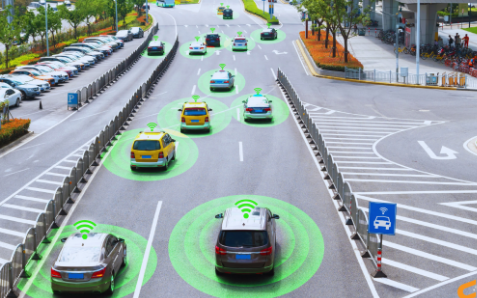
Autonomous vehicles (AVs) are likely to transform urban transportation significantly. Their capacity to optimize routes may lead to reduced traffic congestion. Moreover, as self-driving technology enhances road safety, cities could see fewer accidents. This shift necessitates a reevaluation of urban infrastructure and planning. As these changes unfold, the implications for environmental sustainability and public health warrant further examination. What specific adaptations will cities need to accommodate this emerging technology?
The Impact of Autonomous Vehicles on Traffic Congestion
As cities increasingly adopt autonomous vehicles (AVs), their potential effects on traffic congestion warrant close examination.
Studies indicate that AVs may enhance traffic flow by optimizing routes and reducing stop-and-go scenarios. Furthermore, shifts in commuter patterns due to decreased reliance on personal vehicles could alleviate congestion during peak hours.
However, the overall impact remains contingent upon infrastructure adaptation and regulatory frameworks.
Enhancing Road Safety Through Self-Driving Technology
While the integration of self-driving technology presents various challenges, its potential to enhance road safety is significant.
Data indicates that autonomous vehicles could lead to substantial collision reduction, primarily through precise navigation and real-time data processing.
Additionally, features designed to improve pedestrian safety—such as automatic braking and enhanced visual recognition—further emphasize the potential of this technology to create safer urban environments.
Redefining Urban Infrastructure and City Planning
How might the advent of autonomous vehicles reshape urban infrastructure and city planning?
The integration of self-driving technology could lead to the development of smart cities, where roadways, parking, and public transit systems are optimized for efficiency.
Urban planners may prioritize multi-modal transport and reduce parking space, enhancing accessibility.
This shift could foster more pedestrian-friendly environments, ultimately transforming urban landscapes and mobility patterns.
Read also: How Automation Is Reshaping the Future of Manufacturing
Environmental Benefits of Autonomous Transportation Solutions
The integration of autonomous vehicles into urban transportation systems presents significant environmental benefits that extend beyond improved traffic efficiency.
These vehicles can contribute to carbon emissions reduction by optimizing routes and reducing congestion. Furthermore, they promote sustainable mobility solutions, enabling cities to transition to cleaner alternatives.
Ultimately, autonomous transportation could significantly decrease urban pollution levels, fostering healthier environments and enhancing the freedom of movement for all residents.
Conclusion
In conclusion, the advent of autonomous vehicles heralds a seismic shift in urban transportation, akin to the dawn of the automobile era. By alleviating traffic congestion, enhancing road safety, and prompting a reimagining of urban infrastructure, AVs are set to transform city landscapes. Moreover, their potential to foster sustainable mobility solutions positions them as key players in creating healthier urban environments. As cities evolve to embrace this technology, the future of transportation appears not only innovative but also increasingly efficient.