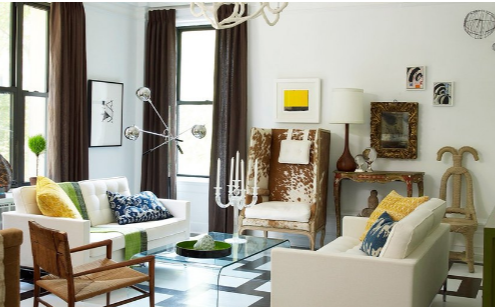
Have you ever walked into a room and instantly felt at ease, yet couldn’t quite put your finger on why? The furniture might be stylish, and the colors perfectly coordinated, but often, the secret ingredient is light. Lighting is the unsung hero of interior design, capable of transforming a stark, cold space into a warm, inviting sanctuary.
For many homeowners, lighting is an afterthought—a practical necessity to keep from bumping into furniture in the dark. But truly effective residential lighting design goes far beyond mere functionality. It is an art form that shapes how we experience our homes, influencing our mood, productivity, and even our sleep cycles. By moving away from generic, builder-grade fixtures and embracing custom lighting solutions, you can inject personality and character into every corner of your living space.
What is light layering?
The most common mistake in home lighting is relying on a single, central ceiling fixture to illuminate an entire room. This creates a flat, often harsh effect that washes out details and casts unflattering shadows. The solution lies in a technique professional designers call “light layering.”
Think of light layering like dressing for the weather. You wouldn’t just wear a heavy coat; you’d wear a base layer, a shirt, and perhaps a jacket. Similarly, a well-lit room combines three distinct layers:
- Ambient Lighting: This is your base layer. It provides the general illumination for the room, usually through recessed cans, flush mounts, or natural light. It replaces the “glare bomb” effect of a single bright bulb with a soft, overall glow.
- Task Lighting: This layer focuses light exactly where you need it. Think of under-cabinet lights in the kitchen for chopping vegetables, a reading lamp beside your favorite armchair, or a vanity light for applying makeup.
- Accent Lighting: This is the jewelry of the room. Accent lighting highlights specific features, such as artwork, architectural details, or plants. It adds depth, drama, and visual interest, drawing the eye to the things you love most about your home.
Enhancing architectural features
One of the most powerful ways residential lighting design adds character is by celebrating the unique architecture of your home. Custom lighting can turn a standard structural element into a stunning focal point.
If you have high, vaulted ceilings, uplighting placed on beams or ledges can emphasize the height and airiness of the space. Conversely, if you have a cozy nook with textured stone or brick walls, grazing—a technique where lights are placed close to the wall—can exaggerate the texture, creating a rich, tactile feel. Even a simple staircase becomes a sculptural element with the addition of low-profile step lights or a dramatic pendant chandelier in the stairwell.
Choosing fixtures and technology
The fixtures you choose act as the physical manifestation of your style. A sleek, linear pendant speaks to a modern, minimalist aesthetic, while an ornate crystal chandelier evokes traditional elegance. Customizing your lighting plan allows you to mix and match styles to create a look that is uniquely yours.
Beyond aesthetics, technology plays a massive role in modern lighting. The shift toward LEDs has revolutionized design possibilities. Because LEDs are small, cool to the touch, and energy-efficient, they can be integrated into joinery, shelving, and even furniture in ways that traditional bulbs never could.
Furthermore, smart controls are essential for creating atmosphere. Dimmers are a non-negotiable in custom lighting; the ability to lower the light levels instantly changes a room from a bright workspace to a cozy retreat. Smart systems allow you to program “scenes”—such as “Dinner Party” or “Movie Night”—that adjust multiple lights to the perfect brightness and color temperature with a single tap.
Considering energy efficiency
A thoughtful lighting plan isn’t just about beauty; it’s about responsibility. Custom residential lighting design inherently promotes efficiency. by placing light only where it is needed (via task and accent lighting), you can often reduce the overall wattage required to light a room compared to blasting a high-wattage central fixture.
Creating an atmosphere
Ultimately, your home is a reflection of you. It’s where life happens—the quiet mornings with coffee, the chaotic family dinners, the late-night conversations. Lighting sets the stage for these moments. By investing in a custom design that considers layers, architecture, and technology, you aren’t just buying lamps; you are curating the atmosphere of your life.