Introduction
In today’s construction and industrial landscape, selecting the right insulation material is more than just a technical choice—it’s a strategic decision. Among the most effective and versatile options available is rigid polyurethane foam insulation. This material is celebrated for its thermal efficiency, structural strength, and adaptability across multiple industries. But why is it becoming the go-to solution for engineers, architects, and builders worldwide?
What Makes Rigid Polyurethane Foam Unique?
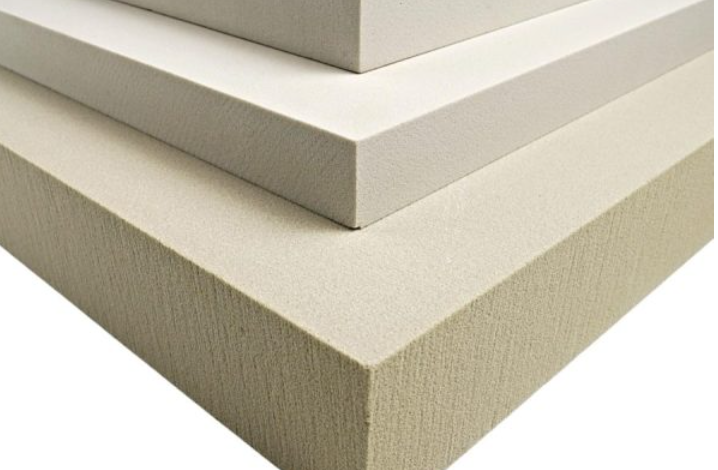
Rigid polyurethane (PUR) and polyisocyanurate (PIR) foams are highly efficient, lightweight insulation materials. They offer a remarkable balance between mechanical strength and thermal performance, making them suitable for a wide range of applications. Their ability to bond with multiple surfaces further increases their versatility.
Originally developed in the mid-20th century, polyurethanes were quickly adopted across sectors such as automotive, furniture, refrigeration, and footwear. Today, rigid polyurethane foam remains a critical material in construction, offering unmatched insulation and structural benefits.
Industrial and Commercial Applications
1. Building and Structural Insulation
Rigid polyurethane foam insulation is a favorite in building construction due to its low thermal conductivity (0.022–0.028 W/m·K) and CE-Marking-approved certifications. Available in densities ranging from 33 to 60 kg/m³, it allows for thin yet highly efficient panels. Builders benefit from both energy savings and compliance with modern building codes.
2. Refrigeration Systems
The foam’s excellent thermal properties make it ideal for cold storage and refrigeration. Composite panels used in refrigerated rooms, transport trucks, and industrial freezers rely heavily on rigid polyurethane foam for maintaining consistent temperatures while reducing energy consumption.
3. Structural Cores and Composite Panels
Beyond insulation, these foams serve as core materials in composite panels for rail, marine, and aerospace applications. Their chemical resistance, mechanical strength, and moisture resistance make them suitable for high-performance structural needs, from boat hulls to aircraft interiors.
Fire Safety and Phenolic Foam Advantages
For projects where fire resistance is critical, phenolic rigid foams offer outstanding performance. Unlike conventional foams, phenolic foams are thermoset materials—they do not melt, drip, or propagate flames during fire exposure.
Globally recognized certifications, including EN 13501-1 Euro class B-s1-d0 and French M1, highlight their compliance with fire safety standards. Phenolic foams also exhibit minimal smoke emission and extremely low toxic gas release, making them ideal for high-rise buildings and ventilated façades.
Maximizing Thermal Efficiency
Closed-cell rigid polyurethane foam insulation is highly effective at trapping heat, thanks to tiny, encapsulated gas-filled cells. This design ensures long-term thermal performance without deterioration.
Advantages include:
- Up to double the thermal resistance compared to conventional insulation
- Reduced panel thickness, saving space without compromising performance
- Consistent performance over time, reducing long-term energy costs
Such characteristics make polyurethane foam a smart choice for builders aiming to meet energy efficiency targets while minimizing environmental impact.
Acoustic and Vibration Control
Beyond insulation, rigid polyurethane foam and related acoustic products are excellent for controlling sound and vibration. Polymeric or bitumen-backed acoustic barriers can reduce airborne noise and dampen vibrations in industrial and transportation settings.
Key applications include:
- Automotive interiors, engine rooms, and heavy machinery
- Lift cabins and office partitions
- Marine vessels and construction vehicles
By combining acoustic barriers with foam, manufacturers can create custom laminates tailored for specific noise reduction requirements.
See also: The Ultimate Source for Free Office Downloads: WPS Official Website
Foam Conversion: Tailored Solutions for Every Industry
One of the most versatile aspects of polyurethane foam is its adaptability through foam conversion. Foam can be precisely cut, shaped, or laminated to meet complex specifications.
Conversion processes include:
- CNC profiling for custom shapes
- Water jet cutting for precision components
- Laminating multiple foam layers for enhanced performance
Foam conversion allows rigid polyurethane foam to be used in diverse applications, from orthopaedic supports and cushioning to thermal insulation in engine rooms and industrial panels.
Environmental Considerations and Sustainability
Environmental impact is a key factor in material selection today. Phenolic and polyurethane foams are available in CFC-free and HCFC-free formulations, reducing harmful emissions. Their high thermal efficiency also means lower energy use, contributing to CO₂ emission reductions for buildings and industrial applications.
Choosing rigid polyurethane foam insulation supports sustainability goals without compromising performance, safety, or versatility.
Benefits of Rigid Polyurethane Foam at a Glance
- Outstanding Thermal Insulation: Superior energy efficiency with thinner panels
- Lightweight Strength: Structural integrity without excessive weight
- Fire-Resistant Options: Phenolic foams meet global fire codes
- Moisture and Chemical Resistance: Long-lasting performance in diverse environments
- Acoustic Performance: Reduces sound and vibrations effectively
- Customization Capabilities: Foam conversion for specialized applications
- Environmentally Friendly: CFC/HCFC-free options minimize carbon footprint
Conclusion: A Smart Investment for Modern Projects
Whether for commercial buildings, industrial machinery, refrigeration, or high-performance composites, rigid polyurethane foam insulation provides a versatile, efficient, and safe solution. Its combination of thermal efficiency, fire resistance, structural strength, and acoustic benefits makes it an indispensable material for modern construction and industrial design.
Investing in polyurethane or phenolic foam isn’t just about insulation—it’s about creating high-performance, safe, and sustainable spaces. From energy savings to enhanced durability, this material meets the demands of today while preparing for the challenges of tomorrow.