Commercial buildings are major investments, representing both financial and operational value for businesses. Proper maintenance is essential to preserve these assets, ensure safety, and enhance performance over time. Commercial building maintenance in Brisbane encompasses a variety of practices designed to keep buildings in optimal condition while supporting the needs of tenants, employees, and visitors.
Maintenance is not just about fixing issues when they arise; it is about proactive care, preventative strategies, and long-term planning. Businesses that prioritize building upkeep experience fewer disruptions, lower costs, and improved satisfaction for those using the space.
The Importance of Regular Commercial Building Maintenance
commercial building maintenance in brisbane plays a critical role in protecting both the property and its occupants. It ensures that all systems—from structural components to mechanical and electrical infrastructure—operate efficiently and safely. Neglecting maintenance can lead to expensive repairs, operational disruptions, and even safety hazards.
In Brisbane, commercial properties face unique environmental challenges, including heavy rainfall, humidity, and occasional temperature fluctuations. Proper maintenance safeguards buildings against these elements, helping structures remain durable and resilient over time.
Key Components of Commercial Building Maintenance
Commercial building maintenance covers a wide range of areas, including:
- Structural Maintenance
Regular inspections of walls, roofs, foundations, and external facades help identify potential damage before it escalates. Addressing issues early prevents costly structural repairs. - Mechanical and Electrical Systems
HVAC, plumbing, elevators, and electrical systems require routine checks and servicing. Well-maintained systems operate efficiently, ensuring comfort and reducing energy costs. - Safety Systems
Fire alarms, emergency lighting, and security systems must be regularly tested and maintained. This protects occupants and ensures compliance with safety regulations. - Interior and Exterior Maintenance
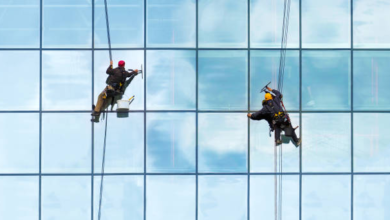
Flooring, paint, windows, and exterior surfaces should be kept in good condition. Regular cleaning and minor repairs improve both aesthetics and functionality. - Grounds and Landscaping
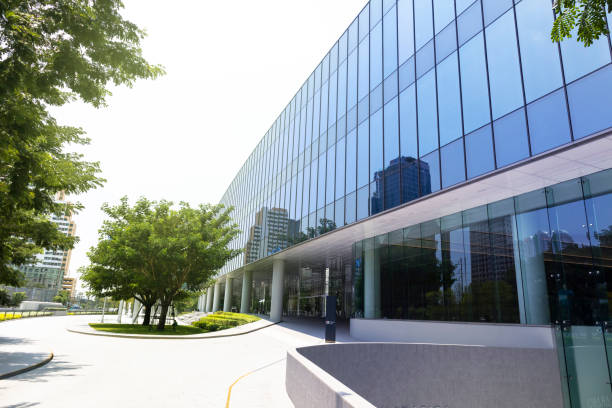
Well-maintained outdoor areas, including parking lots, gardens, and walkways, contribute to a positive impression and enhance safety.
Benefits of Proactive Maintenance
Adopting a proactive maintenance strategy offers multiple advantages:
- Cost Savings: Early detection of problems reduces the likelihood of expensive emergency repairs. Preventative maintenance extends the life of building components, saving money over time.
- Safety: Regular inspections ensure compliance with safety regulations and reduce the risk of accidents or damage.
- Operational Efficiency: Well-maintained systems run smoothly, minimizing downtime and supporting tenant or business operations.
- Tenant Satisfaction: For commercial properties with tenants, consistent upkeep contributes to positive experiences, encouraging long-term occupancy.
- Energy Efficiency: Properly maintained systems operate more efficiently, reducing energy consumption and operational costs.
Developing a Commercial Maintenance Plan
A structured maintenance plan is essential for consistent building care. Brisbane property managers and building owners often implement scheduled programs that outline routine inspections, servicing, and repairs.
Key steps in creating an effective maintenance plan include:
- Assessment of Building Needs
Identify critical systems, structural elements, and high-traffic areas that require regular attention. - Preventative Maintenance Schedule
Establish timelines for inspections, cleaning, and servicing. This could include monthly, quarterly, or annual checks depending on the system or component. - Budget Allocation
Set aside funds for routine maintenance and unforeseen repairs. A planned budget ensures timely maintenance without financial strain. - Record-Keeping
Document inspections, repairs, and system updates. This ensures accountability, tracks performance, and supports compliance. - Engaging Professionals
Hire qualified contractors or maintenance teams with experience in commercial properties. Professional expertise ensures high-quality, efficient work.
See also: Streamlining Workforce Management for Modern Businesses
Technology in Commercial Building Maintenance
Modern maintenance practices increasingly leverage technology to improve efficiency and oversight. Brisbane buildings often use:
- Building Management Systems (BMS) for monitoring energy use, temperature, and system performance
- Digital Maintenance Logs to track inspections and repairs
- Predictive Maintenance Tools using data analytics to anticipate failures before they occur
Integrating technology ensures that maintenance is proactive, transparent, and aligned with operational priorities.
Sustainability in Building Maintenance
Sustainable practices are becoming an essential part of commercial building maintenance. Energy-efficient lighting, water-saving systems, and environmentally responsible materials contribute to both cost savings and environmental responsibility.
Routine maintenance also helps extend the lifespan of these sustainable systems, ensuring businesses get maximum value from their eco-friendly investments.
Challenges in Commercial Building Maintenance
Maintaining commercial properties presents unique challenges:
- Complex Infrastructure: Larger buildings have multiple systems and components that must be maintained simultaneously.
- Tenant Coordination: Maintenance activities must minimize disruption to tenants or operations.
- Weather and Environmental Factors: Brisbane’s climate can accelerate wear and tear, requiring more frequent maintenance.
- Budget Management: Balancing maintenance needs with financial constraints can be challenging without careful planning.
Despite these challenges, a structured approach ensures that buildings remain safe, functional, and visually appealing.
Commercial Maintenance for Long-Term Asset Value
A well-maintained building preserves and even increases its value over time. Property owners benefit from higher occupancy rates, reduced emergency repair costs, and a stronger reputation in the market.
For businesses occupying the building, regular maintenance supports a productive, comfortable environment for staff and visitors. The impact of a well-maintained space extends beyond aesthetics—it influences efficiency, satisfaction, and operational success.
Tips for Effective Commercial Building Maintenance
- Schedule Routine Inspections: Regularly check roofs, plumbing, HVAC, and electrical systems.
- Prioritize Safety Systems: Ensure alarms, sprinklers, and security systems are functional.
- Invest in Preventative Maintenance: Address small issues before they become major problems.
- Use Professional Contractors: Qualified professionals deliver reliable and high-quality work.
- Document Everything: Keep detailed maintenance records for accountability and compliance.
- Integrate Technology: Utilize BMS and predictive maintenance tools to streamline operations.
- Plan for Sustainability: Maintain energy-efficient and environmentally friendly systems to reduce costs.
Conclusion
Commercial building maintenance in Brisbane is essential for protecting assets, ensuring safety, and maintaining operational efficiency. Proactive maintenance strategies, supported by professional expertise and technology, keep buildings functional, safe, and appealing over time.
By investing in consistent, high-quality building care, property owners and managers safeguard their long-term investments, enhance tenant satisfaction, and create spaces that support business success.
A well-maintained commercial building is more than just a physical space—it is a reflection of professionalism, reliability, and forward-thinking management.