Introduction
The metal fabrication industry has witnessed remarkable advancements in recent years, driven by the demand for higher precision, efficiency, and versatility. Among the most impactful innovations is the 8 axis press brake, a machine that provides operators with eight independent points of control. By offering precise manipulation of each press brake axis, manufacturers can perform complex bends and multi-step operations with exceptional accuracy. Industries such as aerospace, automotive, construction, and heavy machinery rely on these machines to meet strict quality standards while maintaining productivity. Understanding the role of each press brake axis and optimizing its use is crucial for achieving superior results in modern fabrication.
Understanding the 8 Axis Press Brake
Multi-Axis Functionality
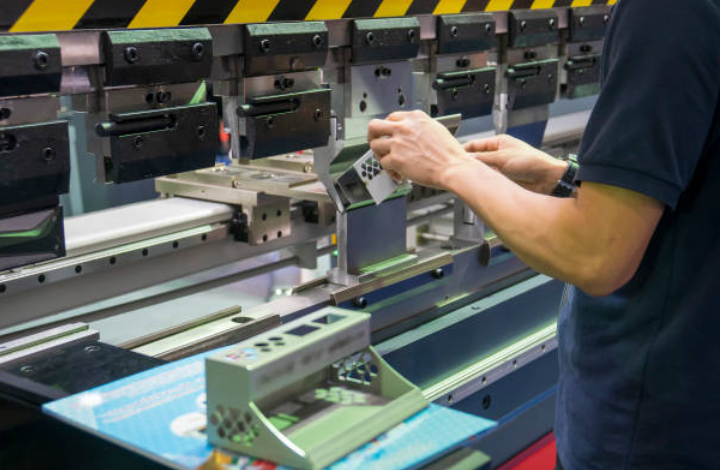
An 8 axis press brake is designed to control multiple aspects of the bending process simultaneously. These axes typically include the vertical movement of the ram, multiple back gauge positions, front and rear adjustments, and additional side or tilt axes. By coordinating these axes, operators can perform intricate bends without manually repositioning the workpiece, reducing errors and enhancing overall efficiency.
Key Components
To operate the machine effectively, it is important to understand its primary components:
- Ram or Punch: Moves vertically to press the sheet metal into the die, forming the bend.
- Die: The stationary component that shapes the metal during bending.
- Back Gauge: Precisely positions the workpiece along one or more axes to ensure consistent bending.
- Control Panel: Allows operators to program bend sequences, angles, and material-specific parameters.
- Safety Systems: Includes light curtains, guards, and emergency stops to protect operators.
Awareness of these components allows operators to fully leverage the capabilities of each press brake axis while maintaining safety standards.
The Function of Each Press Brake Axis
Ram Axis
The ram axis controls the vertical movement of the punch. Adjustments to this axis determine the depth and angle of each bend. Accurate manipulation of the ram axis ensures that bends are consistent and meet precise specifications, reducing material waste.
Back Gauge Axes
Back gauge axes are essential for positioning the workpiece accurately. These axes typically include X and R movements, enabling precise placement for each bending operation. Proper use of back gauge axes is critical for multi-step operations, as it ensures repeatable results and minimizes the need for manual adjustments.
Front and Rear Axes
Additional front and rear axes allow fine-tuning along the length and width of the sheet. These axes are particularly useful for performing compound bends or working with irregularly shaped components. By adjusting the press brake axis in these directions, operators can achieve precise bends without repositioning the sheet manually.
Side and Tilt Axes
Side and tilt axes provide control over the rotation and angle of the workpiece. These axes increase the versatility of the machine, allowing operators to perform complex bending operations efficiently. With these adjustments, even intricate designs can be executed in a single setup, improving productivity and accuracy.
See also: Revolutionizing Sports Training with Innovative Technology
Advantages of Using an 8 Axis Press Brake
Superior Precision
Controlling multiple press brake axes allows manufacturers to achieve highly accurate bends with minimal deviation. This precision is especially important in industries where tight tolerances are required, such as aerospace and automotive manufacturing.
Enhanced Efficiency
The ability to manipulate multiple axes simultaneously reduces setup times and manual adjustments. Operators can program sequences for complex bends and reuse them for repeated tasks, decreasing the risk of errors and improving production speed.
Versatility
An 8 axis press brake can handle a wide range of materials, thicknesses, and bend types. Its multi-axis capability allows the machine to complete intricate operations in a single setup, eliminating the need for multiple machines or frequent tooling changes.
Reduced Material Waste
Accurate bends and repeatable results help minimize scrap material. Proper use of each press brake axis ensures that components meet specifications on the first attempt, reducing production costs and supporting sustainable manufacturing practices.
Preparing for Operation
Safety Considerations
Operating an 8 axis press brake safely requires adherence to strict protocols:
- Wear personal protective equipment, including gloves, safety glasses, and steel-toed shoes.
- Verify that all safety devices, guards, and emergency stops are functional.
- Follow manufacturer and company-specific safety guidelines.
Prioritizing safety protects operators and maintains a productive work environment.
Material and Tooling Setup
Proper setup is essential for high-quality results:
- Select punches and dies appropriate for the material type and thickness.
- Secure the sheet metal to prevent movement during bending.
- Confirm that all press brake axis settings match the specifications of the workpiece.
Accurate setup ensures consistent bends, reduces errors, and prevents material waste.
Machine Calibration
Calibrating each press brake axis is critical for precision:
- Adjust the ram, back gauge, and additional axes to match the dimensions and desired angles.
- Confirm that the programmed bend sequence aligns with production requirements.
Proper calibration ensures repeatable, high-quality results across multiple workpieces.
Operating the 8 Axis Press Brake
Programming the Machine
Accurate programming is crucial for consistency:
- Input material type, thickness, and sheet dimensions.
- Set bend angles, radii, and the sequence of operations.
- Save programs for repeat use to enhance efficiency and reduce errors.
Effective programming minimizes mistakes and improves workflow.
Loading and Positioning the Workpiece
Correct positioning is vital for precision:
- Align the sheet with the back gauge and ensure it rests flat against the die.
- Secure the sheet to prevent movement during the bending process.
Proper placement ensures accurate bends while protecting both the operator and the workpiece.
Performing the Bend
Operate the machine using the control panel or foot pedal:
- Monitor the process to maintain alignment.
- Keep hands and other body parts away from moving components.
- Use incremental operations for complex bends to maintain control and precision.
Careful operation ensures each bend meets specifications safely.
Unloading and Inspection
After bending:
- Carefully remove the workpiece.
- Inspect angles and overall quality.
- Adjust the press brake axis settings or programming if necessary before proceeding.
Regular inspection maintains consistent quality throughout production.
Maintenance and Troubleshooting
Routine Maintenance
Routine maintenance is essential for optimal performance:
- Lubricate moving components to reduce wear.
- Inspect punches and dies for damage.
- Check hydraulic and electrical systems regularly.
- Test safety systems frequently.
Preventive maintenance reduces downtime, increases productivity, and extends machine life.
Troubleshooting
Operators should be able to address common issues:
- Misaligned Bends: Adjust the press brake axis settings or reposition the workpiece.
- Inconsistent Angles: Inspect tooling, recalibrate axes, and verify material specifications.
- Machine Malfunctions: Review programming, inspect hydraulic and electrical systems, and follow troubleshooting procedures.
Timely troubleshooting ensures efficient and high-quality production.
Training and Best Practices
Operator Training
Effective training is critical:
- Learn all press brake axis functions and machine components.
- Understand safety protocols and emergency procedures.
- Gain hands-on experience with programming, operation, and troubleshooting.
- Develop skills in routine maintenance.
Training builds confidence and competence for safe, efficient operation.
Safety Culture
A culture of safety promotes efficiency and reduces accidents:
- Encourage reporting of hazards and unsafe practices.
- Enforce standard operating procedures consistently.
- Conduct regular safety meetings and refresher training.
A strong safety culture ensures adherence to best practices.
Documentation
Maintaining records of programs, maintenance schedules, and inspections supports repeatable quality, compliance, and continuous improvement.
Conclusion
The press brake axis has redefined metal fabrication by combining precision, efficiency, and versatility. Mastery of each press brake axis allows operators to perform complex bends with minimal error, making these machines indispensable in modern manufacturing. Proper setup, programming, safety compliance, and maintenance are essential to achieving high-quality results. By leveraging the capabilities of an 8 axis press brake, manufacturers can optimize workflow, reduce material waste, and meet the demanding standards of contemporary industries, from aerospace to automotive production.