The Rise of Personalized Boxing Coaching
Boxing has long been celebrated as one of the most demanding and strategic sports. It requires a combination of strength, agility, endurance, and mental acuity. Traditionally, athletes relied on group classes or general gym sessions to develop these skills, but in recent years, the demand for individualized instruction has grown significantly. Athletes and enthusiasts alike are turning to a personal boxing trainer to refine their skills, enhance performance, and achieve specific fitness goals.
Personalized coaching addresses the limitations of general training by offering tailored guidance, focused attention, and customized routines that align with an individual’s unique abilities and objectives.
Advantages of Having a Personal Trainer
Customized Training Programs
One of the primary benefits of working with a personal boxing trainer is the ability to develop a training program tailored to the athlete’s strengths, weaknesses, and goals. For example, a boxer preparing for competition may focus on sparring strategy, footwork, and endurance, whereas a fitness enthusiast might prioritize calorie burn, agility, and coordination.
Personalized programs ensure that every session is productive, targeting the areas that will make the most impact on performance and results. This specificity leads to faster improvements and more efficient use of training time.
Individual Attention and Feedback
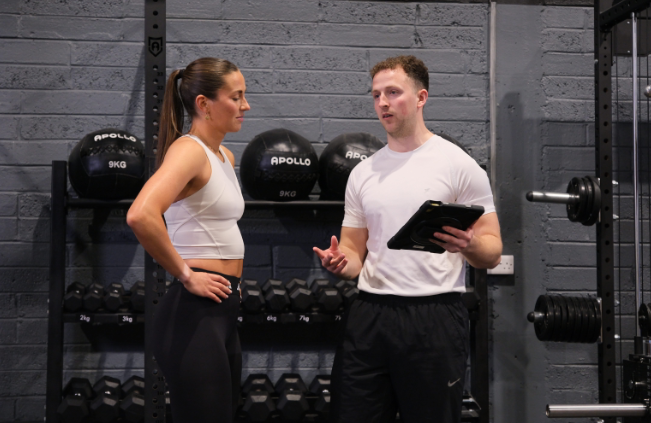
In a group setting, coaches may not have the capacity to correct every participant’s technique or provide detailed feedback. A personal boxing trainer provides undivided attention, observing every movement and offering immediate guidance. This one-on-one interaction helps athletes identify and correct errors in real-time, preventing the formation of bad habits and reinforcing proper technique.
Flexible Scheduling
Another advantage of having a personal trainer is scheduling flexibility. Training can be arranged around work, school, or other commitments, ensuring consistency without disrupting daily routines. Flexible timing also allows the trainer to adjust session intensity according to the athlete’s recovery, energy levels, or upcoming competitions.
Physical Benefits of Personalized Coaching
Improved Strength and Conditioning
Boxing requires a balance of cardiovascular endurance, muscular strength, and explosive power. A personal boxing trainer designs exercises that target these areas through high-intensity circuits, resistance training, and sport-specific drills. This approach not only improves overall fitness but also builds the physical attributes necessary for optimal performance in the ring.
Enhanced Technique and Precision
Proper technique is the foundation of effective boxing. A personal trainer works closely with athletes to refine every punch, block, and movement. From jabs and crosses to defensive slips and ducks, consistent guidance ensures that personal boxing trainer movements are efficient, powerful, and accurate. Mastery of technique is critical for both competitive success and long-term injury prevention.
Injury Prevention
Working with a personal boxing trainer reduces the risk of injury. Trainers emphasize proper form, warm-ups, stretching, and cooldown routines, all of which protect muscles and joints. They also adjust intensity and progression according to the athlete’s abilities, ensuring that workouts are challenging yet safe.
Mental Advantages of Personalized Training
Focus and Concentration
Boxing demands mental clarity, strategic thinking, and the ability to anticipate an opponent’s moves. Personal trainers help athletes develop these cognitive skills through scenario-based training, sparring simulations, and tactical exercises. This mental training translates into better decision-making during competitions and improves overall performance.
Confidence and Motivation
The one-on-one support of a personal trainer fosters confidence and motivation. Athletes receive encouragement, constructive feedback, and measurable goals, which build self-assurance both in training and during competitions. This psychological boost often leads to improved performance and a stronger competitive mindset.
Stress Management
Boxing can serve as an effective outlet for stress and frustration. Under the guidance of a personal boxing trainer, athletes learn to channel energy, focus their attention, and develop resilience. This mental discipline not only enhances performance but also contributes to overall well-being.
See also: How Big Data Is Shaping the Future of Healthcare
Application for Competitive and Recreational Athletes
Competitive Preparation
For aspiring or professional boxers, personalized coaching is essential for competition readiness. Trainers analyze opponents, design tailored sparring sessions, and simulate fight conditions to enhance preparedness. This strategic approach gives athletes a competitive edge and improves their chances of success in the ring.
Fitness and General Health
Even for those not pursuing professional boxing, a personal trainer provides significant health benefits. Boxing is a high-intensity, full-body workout that improves cardiovascular health, strengthens muscles, and enhances coordination. Personalization ensures that the exercises align with fitness goals, whether it is weight loss, toning, or endurance improvement.
Adaptation for Different Skill Levels
Personal trainers adjust training intensity, complexity, and focus according to the athlete’s experience level. Beginners can learn foundational techniques and build confidence, while experienced boxers can work on advanced skills, strategy, and peak performance. This adaptability makes personalized coaching suitable for a wide range of athletes.
Integrating Nutrition and Recovery
Nutrition Guidance
Optimal performance requires proper nutrition. Many personal boxing trainers offer advice on diet, hydration, and supplementation to support training and recovery. Tailored nutrition plans ensure athletes have the energy to perform effectively while maintaining muscle mass and reducing fatigue.
Recovery and Rest
Effective training includes not only exercise but also recovery. Personal trainers monitor workloads, recommend rest periods, and incorporate mobility and flexibility exercises to enhance recovery. This approach minimizes the risk of overtraining and ensures long-term progress.
Choosing the Right Personal Boxing Trainer
Qualifications and Experience
Selecting a qualified trainer is critical. Look for certifications, practical experience, and a history of training athletes at similar levels. A skilled trainer brings technical knowledge, tactical insight, and the ability to adapt exercises to the athlete’s specific needs.
Compatibility and Communication
Successful training depends on the athlete-trainer relationship. Communication, teaching style, and rapport are crucial factors. A compatible trainer fosters a positive, motivating environment that encourages effort, engagement, and sustained commitment.
Goal-Oriented Approach
The best personal boxing trainers focus on clear, measurable goals. They track progress, adjust routines based on performance, and provide ongoing feedback to ensure continuous improvement. Whether the goal is mastering technique, improving fitness, or preparing for a competition, a goal-oriented approach maximizes results.
Conclusion
The benefits of working with a personal boxing trainer extend far beyond physical conditioning. Personalized coaching provides targeted skill development, improved technique, mental resilience, and strategic preparation for both competition and personal fitness. Athletes of all levels gain from the focused attention, tailored programs, and expert guidance that a personal trainer offers.
By combining physical training, mental conditioning, nutrition advice, and recovery strategies, a personal boxing trainer equips athletes with the tools they need to excel in the ring and maintain long-term health and performance. Whether pursuing professional aspirations or fitness goals, personalized boxing coaching represents one of the most effective paths to success in the sport today.